Category Archives: Science

Why Doesn’t Wood Melt
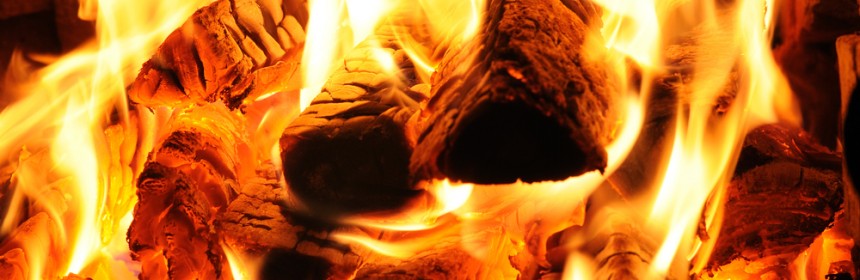
Jesse asks: Why doesn’t wood melt? Jesse, I love this question. It seems like everyone knows things are solid at certain temperatures. If you heat them up, they will become a liquid. Heating it further will turn the substance into a gas. This elementary truism of science is every grade school students’ claim-to-fame at their science fair. At some point, […]

Read more


Why is Nicotine Addictive

Ken asks: Why is nicotine so addictive? When someone says a substance is addictive, they can mean two separate things. Physically addictive, more accurately physically dependent, is when your body begins to depend on the presence of a particular substance for its physical well being. It’s begun compensating its normal processes to adjust for the new artificial normal. The sudden […]

Read more

What Do Tonsils Do?

Dale asks: What do tonsils actually do? What most people refer to as “tonsils” are known as Palatine tonsils. These are the two large protruding tissues that reside on the sides of the back of your throat. These are actually part of a grouping of lymphoid tissues (tissue that perform different functions for your immune system) known as Waldeyer’s tonsillar […]

Read more

How the Human Body Generates Electricity

Lee Swanson asks: How does the human body create electricity? Fantastic question Lee. The shortest and most simple answer is- chemical reactions between different atoms and molecules within the body. If all that seems a bit vague, let me give you the long answer that inherently needs to get a bit “sciency”. O’ how I love long sciency answers, much […]

Read more

Is Cellulite Different From Regular Fat?

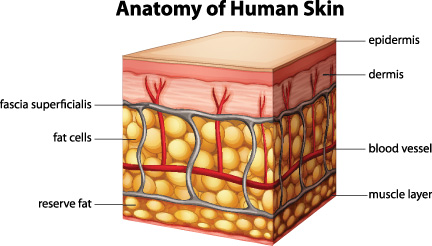
Ally asks: Is cellulite different from regular fat? In a sense, yes, but your question is a tad like comparing orange juice to the texture of an orange peel.  While cellulite, also known as gynoid lipodystrophy, is often thought of as fat, that isn’t quite accurate. Fat is just a component of what causes cellulite, so perhaps more aptly cellulite […]

Read more

How Blood Works and the Difference Between Blood Types

Mark asks: How does blood actually function, like how exactly does it nourish the body and what’s the difference between the different blood types? There are several different types of blood.  Contained within them are several different types of cells, and countless molecules that give our bodies the needed nutrients to work effectively. The two main types of cells within […]

Read more

Fingers Don’t Contain Muscles

 We all have pet-peeves that occasionally happen around us- windshield wipers on when there isn’t enough rain to support lubrication, your husband leaving his dirty laundry on the floor, etc. One of mine is supposed experts in their field saying things about their field that just aren’t true, like a doctor claiming you only use 10% of your brain. In […]

Read more

How Urine Can Be Used to Make Gunpowder (and Other Interesting Pee Facts)

It turns out that something that is (usually) flushed down the toilet can actually be recycled into a number of useful products. Comprised of water, calcium, chloride, potassium, sodium, magnesium, urea, creatinine, nitrogen, uric acid, ammonium, sulphates and phosphates, urine’s beneficial ingredients can be separated from its waste, and used to make fertilizer, medicine, brain cells and, yes, gunpowder. Why […]

Read more

What Causes Will-o’-the-Wisps

Ron asks: What causes the “Will O the Wisps”? For those who don’t know, Will-o’-the-Wisps, also called “ignis fatuus,” Latin for “foolish fire”, are balls of light that are seen hovering over swamps at night and look similar to flickering lanterns, with the light often being blue in color. Several theories exist as to its cause, including bioluminescence; that is, […]

Read more

What Causes Acne

Jen asks: What causes pimples? Ah, acne! The facial blemish that powers many a pubescent date request rejection. Like millions of people worldwide, in my youth I waged a war with this aesthetic foe, with many a “Pizza-face” comment thrown my way.  Medically known as Acne Vulgaris, this affliction is largely cosmetic and does not usually cause any debilitating problems, […]

Read more

How Erections Work

Amanda asks: How exactly do penises become erect? Well Amanda, the physical response causing a flaccid penis to become hard can be mediated by both physical stimulation (known as somatic) or autonomic (involuntary) processes like arousal from an attractive person, or a combination of both. We’ll first look at the anatomy behind the erection and then talk about how the […]

Read more

Why Testosterone Affects Body Hair Growth

Michael S. asks: Why does testosterone cause more body hair? Testosterone is a steroid hormone from a group called androgen. Androgen affects many characteristics in our bodies, like the development of the male sex organs, the deepening of the voice during puberty, muscle and bone strength, and hair growth. Interestingly, the same circulating androgen, like testosterone, can increase hair growth […]

Read more
1 14 15 16 17 18 24